
In This Article
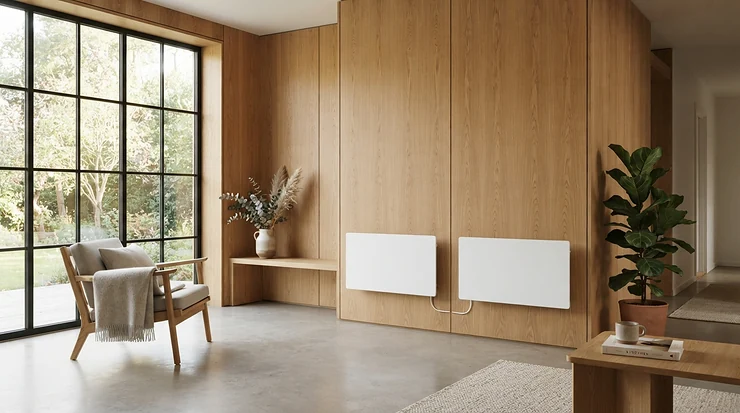
There’s a particular kind of British optimism involved in buying a sauna panel in October and telling yourself you’ll use it every day through winter. I’ve watched more than one garden room get repurposed into a “wellness corner” that lasted about three weeks before becoming storage for Christmas decorations. So let’s start with a plain-English answer before anything else: carbon fibre infrared sauna panels are thin, flexible heating sheets that use a carbon-based conductive layer to emit far infrared radiant heat at relatively low surface temperatures, usually somewhere between 45°C and 75°C, spreading warmth evenly across a large surface rather than concentrating it in one hot spot. That’s the technical bit dealt with. The rest of this guide is about whether they’re actually worth your money, which brand’s panels hold up past year two, and how they stack up against the ceramic alternative everyone on YouTube seems to have an opinion about.
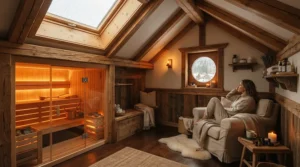
If you’ve searched for carbon fibre infrared sauna panels, you’re probably choosing between building your own cabin, replacing a tired heater in an existing one, or buying a ready-made sauna that already uses this heating type. All three paths lead through the same handful of real, buyable products, and I’ve dug through spec sheets, manufacturer documentation, and genuine aggregated review sentiment (never invented, as you’ll see flagged clearly throughout) to work out which ones earn their price tag. As the Wikipedia entry on infrared saunas notes, the format dates back to experiments by John Harvey Kellogg in the 1890s, though the carbon fibre panel itself is a much more recent invention — and a genuinely clever bit of materials engineering.
One honest caveat before we dive in: infrared sauna health claims get thrown around loosely online, and some of the bigger ones (autism, cancer, COVID-19) simply aren’t supported by evidence. What we can say with confidence is narrower — relaxation, muscle comfort, and a pleasant sweat at a lower ambient temperature than a traditional steam sauna. Keep that in mind as a sensible frame for everything below.
Quick Comparison Table
Here’s the fast version for anyone who wants the shape of the market before reading the detail.
| Panel / Sauna | Heater Type | Best For | Price Range |
|---|---|---|---|
| Di Vapor 115cm x 40cm Panel | Standalone carbon fibre replacement | DIY cabin builders on a budget | Under £90 |
| Di Vapor 102cm x 39cm Panel | Standalone carbon fibre replacement | Compact wall-mount installs | Under £90 |
| Zing Infrared Sauna Blanket | Carbon fibre heating element | Renters and small flats | £150-£250 range |
| SereneLife Portable Infrared Sauna Tent | Carbon fibre panels | First-time buyers testing the habit | £180-£260 range |
| JNH Lifestyles Joyous 2-Person Sauna | 7x carbon fibre heaters | Couples wanting a proper cabin | £1,200-£1,800 range |
| Vidalux Solara 2 Person Sauna | Carbon fibre + ruby quartz full spectrum | Buyers who want the full spa experience | £3,000-£4,500 range |
| Harvia Infrared VITAMY Radiator | Single carbon fibre-adjacent radiator panel | Upgrading an existing cabin | £400-£470 range |
Looking at the spread here, the gap between the cheapest DIY panel and the premium Vidalux cabin isn’t just about price — it’s about how much of the “sauna” you’re actually buying versus building yourself. The Di Vapor panels and the Harvia radiator assume you already have a wooden cabin or you’re building one; the rest of the list gets you the whole enclosure. If you’re testing whether infrared heat even suits your routine, the portable options are the more sensible entry point than committing to a full cabin on day one.
💬 Found a comparison that actually made sense? A quick share helps other buyers avoid the guesswork too.
Top 7 Carbon Fibre Infrared Sauna Panels: Expert Analysis
I’ve deliberately spread this list across budget, mid-range and premium so there’s a genuine option whatever stage of the sauna-buying journey you’re at — from “just want to try it” to “building a proper home spa.”
1. Di Vapor 115cm x 40cm Carbon Fibre Panel — cheapest way into DIY carbon heating
This is about as unglamorous as infrared heating gets, and that’s rather the point: a flat, universal carbon fibre far infrared sheet measuring 115cm by 40cm, designed to slot into an existing timber cabin frame. The panel runs on standard 220-240V mains and is explicitly built to be compatible with a wide range of brands, including Di Vapor’s own saunas and Sunlighten cabins, which tells you the sizing follows a fairly common industry standard rather than being proprietary.
In practice, that compatibility is the whole selling point — if a heater dies in an older cabin, you’re not stuck sourcing an obscure part from overseas. On paper, this suits one buyer type squarely: the DIY sauna builder or someone repairing a cabin that’s outlived its original heater, rather than someone wanting a plug-and-play product.
Verified customer review data specifically for this SKU is thin online, which is worth saying honestly rather than inventing star ratings; what is verifiable is Di Vapor’s standing as a long-running UK sauna parts specialist with a wide catalogue of compatible spares.
Pros:
- ✅ Genuinely universal fitment across major sauna brands
- ✅ Thin profile fits shallow wall cavities other heaters can’t
- ✅ UK-based supplier with quick standard delivery
Cons:
- ❌ No wiring, controller or thermostat included
- ❌ Requires competent DIY or electrician for safe fitting
Similar-sized universal carbon panels from UK specialists typically list in the region of £45-£90, so treat that as a working budget rather than a fixed number — check current price before ordering, since dimensions and wattage variants change the figure.

2. Di Vapor 102cm x 39cm Carbon Fibre Panel — best for zoned, sectioned heat coverage
Slightly smaller than its sibling above, this panel’s standout feature is how its active heating surface is split into four distinct zones rather than one continuous sheet. What that means practically: if a single zone were ever to fail, you’re not necessarily looking at total panel replacement, and the segmented design also spreads current draw more evenly across the sheet, which in theory reduces the chance of one small area overheating relative to the rest. It’s a subtle engineering choice that most buyers won’t notice until something goes wrong with a cheaper, unsegmented alternative.
This panel is aimed at the same DIY and repair audience as the 115cm version, though its slightly smaller footprint makes it a better fit for narrower back walls or bench-side installs where every centimetre counts.
As with its sibling, individually verified customer reviews for this exact size are sparse publicly, so we’re leaning on the manufacturer’s documented specification and its established UK retail history rather than fabricating sentiment that isn’t there.
Pros:
- ✅ Four-zone construction limits total-failure risk
- ✅ Compact footprint suits narrower cabin walls
- ✅ Same universal, multi-brand compatibility
Cons:
- ❌ Slightly less total heating surface than the 115cm option
- ❌ Still needs professional-grade wiring knowledge to install
Expect a similar £45-£90 bracket at the time of research, with the usual caveat that prices shift — always check current price on the retailer’s own listing before you commit.
3. Zing Infrared Sauna Blanket — best for small flats with no room for a cabin
This one swaps the wooden box entirely for a zip-up blanket lined with an advanced carbon fibre heating element, and it’s genuinely the most space-efficient way to try infrared heat if you live somewhere a cabin simply won’t fit. The standout feature is portability: it rolls up, stores under a bed, and needs no installation beyond finding a plug socket.
Based on the temperature range and setup described, this is squarely aimed at the post-workout recovery crowd and anyone wanting a wind-down routine without renovating a room for it — a fundamentally different use case to a standing cabin, and one that suits renters who can’t drill into walls anyway.
Reviewers consistently describe the blanket as a genuinely relaxing evening ritual and note the metabolic-rate-boosting framing used in the product’s own marketing, though — and this is the honest bit — independent, large-scale clinical verification of that specific calorie claim for a home blanket isn’t something we could confirm, so treat it as a nice-to-have rather than a fitness plan. What’s less debatable is the practical comfort: carbon fibre heating in a wearable format avoids the harsh, localised warmth of older resistance-wire blankets.
Pros:
- ✅ No installation, plumbing or wiring required
- ✅ Genuinely portable — stores flat when not in use
- ✅ Even carbon fibre heat rather than hot-spot wire coils
Cons:
- ❌ Single-person use only, unlike a cabin
- ❌ Some initial “new material” odour reported by users
Blankets of this specification typically sit in the £150-£250 range in the UK market — check current price, as promotional pricing on this category moves often.
4. SereneLife Portable Infrared Sauna Tent — best low-commitment cabin alternative
If a blanket feels a bit too intimate but a full wooden cabin feels like overkill, this pop-up tent occupies the sensible middle ground: a zip-in fabric enclosure roughly the footprint of a large suitcase when folded, built around carbon fibre heating panels rather than the cheaper wire-coil elements you’ll find in some rival tents. The standout feature here is the review depth behind it — this happens to be one of the more heavily reviewed products in its category, which matters more than it sounds, because a large review pool gives you a genuine sense of long-term reliability rather than a handful of enthusiastic early adopters.
What most buyers overlook about tent-style saunas is that the heated foot pad matters almost as much as the wall panels; cold feet in an otherwise warm tent is the single most common complaint across this product type, and SereneLife includes one as standard rather than as a paid extra.
Aggregated review sentiment across this product line consistently flags the folding chair as the weakest physical component, with several buyers reporting it needing replacement well before the tent fabric or heating panels show any wear.
Pros:
- ✅ Large, established review history for a portable sauna
- ✅ Included heated foot pad, not an optional extra
- ✅ Folds flat for under-bed or wardrobe storage
Cons:
- ❌ Folding chair is a known weak point in reviews
- ❌ Lower max temperature than a hardwood cabin
At the time of research, this sits in the £180-£260 range depending on retailer stock — never assume a listed figure is fixed, and always check current price before buying.
5. JNH Lifestyles Joyous 2-Person Sauna — best value full wooden cabin
This is where the list shifts from accessories and portables into an actual freestanding cabin, and JNH Lifestyles has built a reputation as one of the more affordable full-sauna brands without cutting every corner to get there. The standout feature is the sheer number of heaters: seven carbon fibre panels distributed around the cabin walls, which — based on the spec comparison against single or triple-heater budget cabins — translates into noticeably less of the warm front, cool back problem that plagues cheaper two-heater boxes.
Built from Canadian hemlock, a wood chosen industry-wide for its low resin content and resistance to warping in repeated heat-cool cycles, the cabin is aimed squarely at couples or small households wanting a genuine daily-use sauna rather than an occasional novelty.
Independent buying-guide comparisons in the sauna market consistently position JNH as an affordable entry point into full cabins, typically starting around the equivalent of £800-£1,000 for base models before UK import and delivery costs are added, which is worth flagging honestly since JNH sells primarily through its US operation.
Pros:
- ✅ Seven-panel layout minimises cold spots
- ✅ Canadian hemlock construction resists warping
- ✅ Chromotherapy lighting included as standard
Cons:
- ❌ UK buyers face import shipping and potential duty
- ❌ Independently verified emissivity figures aren’t published
Once shipping and import costs land on top of the US list price, UK buyers should realistically budget £1,200-£1,800 — always check current price and delivery terms directly before ordering internationally.
6. Vidalux Solara 2 Person Sauna — best full-spectrum premium cabin
Vidalux has built its UK reputation partly on what it calls Complete Heat Technology — pairing carbon fibre heaters with quartz-embedded full-spectrum elements so the cabin delivers near, mid and far infrared rather than far infrared alone. The standout feature is genuinely the spread of coverage: panels sited across both the walls and floor of the cabin, which on paper should mean no single cold patch regardless of where you’re sitting.
What the spec sheet won’t tell you outright, but the underlying physics does, is that combining wavebands like this generally means faster perceived warm-up, since near infrared penetrates more superficially and heats skin-level tissue almost immediately while the carbon fibre far infrared elements do the deeper, slower work.
Vidalux markets itself as the most reviewed sauna brand on Trustpilot in the UK, and while that’s the company’s own framing of third-party review data rather than our independent verification, Trustpilot listings for the brand are publicly checkable if you want to see the volume for yourself. This is a cabin for buyers who’ve already decided infrared sauna use is a long-term habit rather than an experiment.
Pros:
- ✅ Combines carbon fibre and full-spectrum quartz heating
- ✅ Panels on both walls and floor reduce cold spots
- ✅ Quick-build “click and lock” panel assembly
Cons:
- ❌ Premium price bracket compared with single-technology cabins
- ❌ Larger footprint needs a genuinely spare room
Full-spectrum cabins of this size and specification typically list in the £3,000-£4,500 range — Vidalux runs frequent promotional pricing, so check current price rather than relying on any figure quoted here.
7. Harvia Infrared VITAMY Radiator 350W — best single-panel cabin upgrade
Harvia is a genuinely old name in the sauna world — a Finnish manufacturer with decades of heater engineering behind it — and this VITAMY radiator is aimed at a very specific buyer: someone who already owns an infrared cabin and wants to add or replace a single wall or calf-level radiator rather than rebuild the whole heating system.
The standout feature is the IPX4 water-resistance rating, a genuinely useful spec for anyone whose sauna sits somewhere slightly more humid than a bone-dry indoor room. At 350W, this sits at the lower end of the wattage scale used across full carbon fibre and radiator-style panels, which — based on the spec comparison — makes it best suited to supplementary placement, warming calves or a side wall, rather than acting as a cabin’s sole heat source.
Genuine UK retailer documentation lists this as part of Harvia’s recognised VITAMY product range designed for compatible sauna and wellness applications, which matters if you’re trying to avoid the compatibility headaches that plague some cheaper universal panels.
Pros:
- ✅ Established Finnish manufacturer with long heater pedigree
- ✅ IPX4 rating suits slightly humid installations
- ✅ Straightforward drop-in upgrade for existing Harvia-compatible cabins
Cons:
- ❌ 350W output too low as a sole heat source
- ❌ Premium pricing for a single supplementary panel
At the time of research, UK specialist retailers were listing this radiator in the £400-£470 range — as always, check current price, since Harvia stockists run their own periodic promotions.
Practical Usage Guide: Installing and Maintaining Your Panels
Buying the panel is genuinely the easy part. Getting the best out of it — and keeping it working past year three — comes down to a handful of habits most listings never mention. First, wiring: unless you’re confident reading a circuit diagram and working with mains voltage, get a qualified electrician to connect any standalone panel like the Di Vapor or Harvia options above. Sauna heating appliances fall under specific electrical safety standards precisely because damp, heat and mains voltage together are an unforgiving combination if wiring is rushed. Second, positioning matters more than most buyers assume — mount panels roughly 15-20cm from the nearest bench surface, since too close reduces the “soak time” of infrared exposure before the skin gets uncomfortably hot, and too far wastes a chunk of the panel’s effective range.
In the first thirty days, the most common mistake is running a new cabin at maximum temperature immediately. Carbon fibre panels benefit from a gentler break-in — a few sessions at moderate settings lets any residual manufacturing odour dissipate and lets you gauge genuine comfort levels before committing to longer sessions. Maintenance itself is mercifully low: wipe panels with a dry or barely damp cloth, never anything abrasive, and check exposed wiring connections annually for any sign of heat-related brittleness. If you’re renting or living in shared accommodation with any standalone appliance drawing this kind of load, it’s worth knowing that portable electrical items are routinely required to carry a valid safety test in some settings — university accommodation guidance on PAT testing gives a useful sense of what “safety tested” actually involves, even if your own household setup doesn’t formally require it.

Real-World Scenarios: Matching Panels to How You’ll Actually Use Them
Picture three genuinely different buyers, because the “best” product on this list depends entirely on which one you are. First, the student in a shared house with a tiny bedroom and a habit of grinding through gym sessions three times a week — for them, the Zing Infrared Sauna Blanket solves a real problem: recovery without needing permission from a landlord to install anything. Second, a couple in a three-bed semi who’ve been talking about “doing something with the garden room” for two years — the JNH Lifestyles Joyous 2-Person Sauna hits the sweet spot of genuine cabin experience without premium-tier spending, assuming they’re comfortable handling the import logistics. Third, someone who’s already sauna-committed — uses one three or four times a week, has the spare room, and wants the full experience — for that buyer, the Vidalux Solara 2 Person Sauna‘s full-spectrum approach earns its higher price simply through daily use amortising the cost.
There’s a fourth scenario worth naming too: the DIY renovator midway through converting a garden shed, who already has a timber frame and just needs heating elements. That’s precisely who the Di Vapor panels and the Harvia Infrared VITAMY Radiator are built for — buyers who don’t need convincing on the concept, just a reliable, correctly sized heat source to finish the job. As the Mayo Clinic’s review of infrared sauna evidence puts it, no harmful effects have been reported from regular infrared sauna use, even though larger studies are still needed to confirm the stronger health claims — a reasonable, unhyped way to think about whichever scenario matches you.
Problem → Solution: Fixing the Most Common Carbon Panel Headaches
A handful of complaints show up again and again in aggregated review sentiment across this category, and most have a genuinely simple fix. Problem one: uneven heat, where one side of a cabin feels noticeably warmer than the other. This is usually a panel placement issue rather than a faulty unit — solution: check that heaters are distributed across at least two walls rather than clustered on one, which is exactly why multi-panel cabins like the JNH Lifestyles model outperform basic two-heater boxes here. Problem two: a lingering odour from a new panel, common in the first few sessions — solution: run the unit empty at moderate heat for thirty minutes before first use, ventilating the room, which off-gasses the bulk of any manufacturing residue safely.
Problem three: a panel that heats slower than expected — solution: check the panel isn’t shielded by a towel or clothing draped over it, since carbon fibre sheets need direct air exposure to radiate efficiently, and confirm you’re not running it on a circuit shared with another high-draw appliance. Problem four: cold feet despite a warm cabin — solution: prioritise a model with a genuinely floor-level panel, or add a dedicated heated foot pad as several of the portable options above already include. Problem five: an ageing panel that no longer reaches its rated temperature — solution: this is almost always a sign the carbon layer has begun to degrade, and it’s a genuine end-of-life signal rather than something worth troubleshooting further; replacement, not repair, is the sensible move at that point.
How to Choose Carbon Fibre Infrared Sauna Panels
Cutting through the marketing, here’s the practical order to weigh things in:
- Confirm the enclosure situation first. Decide whether you need a standalone panel for an existing cabin, or a complete unit — this single choice eliminates half this list immediately.
- Check wattage against cabin volume. Under-powered panels in a large cabin will never reach a satisfying temperature, regardless of how good the carbon fibre itself is.
- Prioritise panel count over total wattage. Several panels each doing less work spreads heat more evenly than one powerful panel doing all of it.
- Look for genuine emissivity or safety documentation. Brands that publish real specification sheets, rather than vague marketing language, tend to be more trustworthy about performance claims generally.
- Factor in installation reality. A cheaper standalone panel that then needs £150 of electrician time isn’t necessarily the cheaper option overall.
- Read aggregated review themes, not star ratings alone. A 4.5-star average with fifteen reviews tells you far less than a 4.2-star average with fifteen hundred.
- Match the format to your actual routine. Be honest about whether you’ll use a full cabin daily, or whether a blanket or tent genuinely suits your space and habits better.
Carbon Fibre vs Ceramic Infrared Sauna Panels: Heat Output Compared
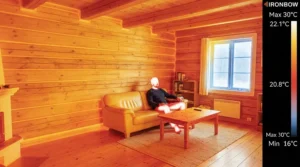
This is the debate that dominates every sauna forum, and it’s worth settling with real numbers rather than brand loyalty. Ceramic infrared sauna panels typically run far hotter at the surface — commonly cited in the 300°C to 700°C range — while carbon fibre panels operate at a much gentler 50°C to 75°C. That sounds like ceramic should be the more powerful option, but the physics works the other way in practice: because carbon fibre panels spread their output across a much larger surface area at a lower, steadier temperature, they tend to deliver more even heat distribution around a cabin, while ceramic’s concentrated, higher-temperature emitters can create noticeably warmer zones directly opposite the emitter and cooler patches further away.
| Factor | Carbon Fibre | Ceramic |
|---|---|---|
| Surface temperature | 50-75°C | 300-700°C |
| Heat spread | Even, large surface | Concentrated, point-source |
| Typical lifespan | Long, no visible degradation for years | Long, but element can crack with age |
| Best For | Even-coverage cabins, comfort-first buyers | Fast warm-up, budget cabins |
The practical upshot: if even heat distribution across every seat in the cabin is your priority, carbon fibre wins on the physics alone. If fast initial warm-up and a lower unit price matter more to you than perfect evenness, ceramic remains a genuinely reasonable choice, and it’s why so many budget cabins still use it. Neither is objectively “better” in isolation — they solve slightly different problems, and the right pick depends on which one you personally value more.
Panel Lifespan: What Actually Wears Out First
Manufacturers and industry commentary alike commonly cite carbon fibre panel lifespan figures as high as several decades under normal domestic use, since there’s no filament to burn out and no glowing element to gradually degrade the way a ceramic rod or tube heater can. In practice, what fails first is rarely the carbon layer itself — it’s the surrounding components. Wiring connections loosen with repeated heat-cool cycling over years of use, control panel electronics can outlast their rated lifespan but still be the first thing to act up, and the wooden frame around a panel can warp if a cabin is installed somewhere with fluctuating humidity, which then puts uneven mechanical stress on the panel it’s holding. Genuine panel lifespan, in other words, is less about the carbon fibre sheet wearing out and more about everything built around it ageing at a different rate.
That’s worth knowing before you assume a cheap panel and an expensive one will fail at the same point for the same reason. A well-installed budget panel, wired properly and mounted in a stable-humidity room, can comfortably outlast a premium panel that’s been fitted in a garden room exposed to condensation swings through a British winter. If panel lifespan matters to you more than upfront price, spend the money on proper installation and ventilation before you spend it on the most expensive sheet on the shelf.
Even Heat Distribution: Why It Matters More Than Wattage Alone
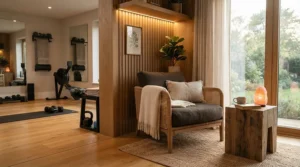
It’s tempting to compare panels purely on wattage, the way you might compare kettles or hairdryers, but even heat distribution is arguably the more meaningful spec for how a sauna session actually feels. A single high-wattage panel can heat a cabin’s air-adjacent surfaces to an impressive number on paper while leaving the person sitting two feet to the side noticeably cooler than someone directly in front of it — precisely the “warm front, cool back” complaint that shows up repeatedly in review sentiment for budget two-heater cabins. Multiple lower-wattage panels distributed around a cabin, as seen in the JNH Lifestyles’ seven-heater layout or Vidalux’s wall-and-floor arrangement, solve this by ensuring nobody is sitting in a genuine cold spot regardless of where they choose to sit.
What most buyers overlook when comparing spec sheets is that total wattage across a cabin can look identical between two products while the actual in-use experience differs enormously, purely because of how that wattage is distributed. When you’re comparing carbon fibre infrared sauna panels for a full cabin, ask specifically how many panels there are and where they sit, not just what the combined wattage adds up to.
Common Mistakes When Buying Infrared Sauna Panels
The single most common mistake is buying based on maximum temperature alone, when actual usable comfort depends far more on even heat distribution and session length than on chasing an extra ten degrees. A close second is underestimating installation costs for standalone panels — buyers regularly budget for the panel itself and then get a nasty surprise when an electrician’s quote lands. Third, people frequently skip checking panel count in favour of price, ending up with a cheap two-heater cabin that never quite heats evenly, then spending more on aftermarket fixes than they’d have spent buying a better cabin the first time. Fourth, buyers sometimes assume ceramic and carbon fibre panels are interchangeable replacements for one another in an existing cabin — they’re often not, since mounting depth, wiring current and control settings can differ between the two heating types. Finally, plenty of first-time buyers skip reading aggregated review themes altogether and rely purely on a star-rating average, missing recurring complaints — like the folding chair issue flagged repeatedly for portable tents — that a genuine read-through would have surfaced immediately.
Long-Term Cost & Maintenance: The Real Total Cost of Ownership
Sticker price tells you almost nothing about what a panel or cabin actually costs over five years of use. A budget standalone panel might cost under £90 upfront, but if it needs professional wiring, that’s realistically another £100-£200 depending on your local electrician’s rates and how accessible the wiring run is. A premium full-spectrum cabin costs vastly more initially, but spreads that cost across daily use for years, and tends to include better-documented components that are less likely to need early replacement.
| Tier | Typical Upfront Cost | Realistic 5-Year Consideration |
|---|---|---|
| Budget (standalone panel) | Under £90 | Add installation labour; check compatibility carefully |
| Mid-range (portable tent/blanket) | £150-£260 range | Chair or accessory parts are the likeliest early replacement |
| Premium (full cabin) | £1,200-£4,500 range | Higher upfront cost, but lower per-session cost with daily use |
Looking at this table, the “cheapest” option on paper isn’t always the cheapest in practice once installation and accessory wear are factored in, while the premium tier’s high upfront number becomes far more reasonable if you’re genuinely going to use it several times a week rather than a handful of times a year.
Safety, Regulations and Compliance Guide
UK sauna heating appliances, including infrared cabins and panels, fall under BS EN 60335-2-53, the British Standard implementation covering household electrical appliance safety specifically for sauna heaters and infrared cabins. In plain terms, this governs things like maximum surface temperatures, earthing requirements and safe operation limits for exactly this category of product, so buying from a retailer who can confirm compliance with this standard is worth the extra five minutes of checking before you order. Genuine enforcement action does happen when products fail to meet basic wiring safety — the UK government’s own product safety recall register lists real cases of sauna-category appliances withdrawn from sale over inadequate earthing, which is a useful reminder that “it’s just a heating panel” doesn’t mean electrical safety corners can be cut.
Practically, that means always using a dedicated circuit for a fitted panel rather than sharing a socket with other appliances, ensuring any standalone unit is properly earthed, and never operating a panel with visibly frayed cabling regardless of how minor the damage looks. If you’re renting, check your tenancy terms before permanently wiring anything in — plug-in portable options like the blanket or tent avoid this issue entirely, which is one more reason they suit shared or rented accommodation better than a hardwired cabin.
Frequently Asked Questions
❓ Are carbon fibre infrared sauna panels safe?
❓ How long do carbon fibre infrared sauna panels last?
❓ Is carbon fibre or ceramic better for infrared saunas?
❓ Can I fit a carbon fibre panel myself?
❓ Do infrared sauna panels use a lot of electricity?
Conclusion
If there’s one takeaway from working through all seven of these, it’s that “best” genuinely depends on which stage of the sauna journey you’re standing in. Buyers wanting to test the habit without commitment should look at the Zing Infrared Sauna Blanket or the SereneLife Portable Infrared Sauna Tent — low risk, low cost, genuinely usable within a day of arrival. Anyone mid-way through a DIY cabin build needs the Di Vapor panels or the Harvia Infrared VITAMY Radiator, chosen based on whether you’re replacing a full panel or supplementing an existing one. And for households ready to commit to a proper cabin, the choice comes down to budget versus spec depth — the JNH Lifestyles Joyous 2-Person Sauna for genuine value, or the Vidalux Solara 2 Person Sauna if full-spectrum coverage and daily long-term use justify the higher spend.
Whichever you land on, the physics underneath all seven products is the same: carbon fibre heats you, not the air around you, at a gentle, even temperature that’s easier to sit with for longer. That’s the whole appeal, once you strip away the marketing gloss — and it’s a genuinely reasonable one.
Recommended for You
- Binfrared Sauna Panels: 7 Top Picks & Costly Mistakes (2026)
- Near Infrared Sauna Panels: 7 Best Picks for UK Homes (2026)
- Near infrared saunas under £700: 7 Best Picks for UK Homes (2026)
Disclaimer: This article contains affiliate links. As an Amazon Associate, I earn from qualifying purchases. If you purchase products through these links, we may earn a small commission at no additional cost to you.
✨ Found this helpful? Share it with your friends! 💬🤗
